

Late winter to early spring is the best time to prune trees for most deciduous species in the UK. This is the dormant season, January to March, when a tree has no leaves and isn't actively growing. There are exceptions: prune plum and cherry trees in summer to avoid silver leaf disease, and prune birch, maple, walnut, and summer hornbeam in mid to late summer to stop them from bleeding sap. Evergreens are usually pruned in late spring. Whatever tree you're working on, check for nesting activity first, since pruning between March and August needs extra care.
That's the short answer. Below is the full picture of when to prune trees in UK gardens.
When a deciduous tree drops its leaves for winter, it settles into rest rather than pushing energy into new shoots. This dormant season is when a tree copes best with the stress of losing branches, which is why so many people ask us when the best time is to prune trees on their own property.
Pruning during dormancy minimises stress and helps with disease management, since fungal pathogens are less active in cold weather. Good disease management is about pruning at the right time of year. Structural pruning is also easier on a leafless tree, since you can see the branch structure clearly, which is why late winter and early spring tend to be the busiest time of year for this work on mature trees and young trees alike. A well-timed winter cut lets a tree put stored energy straight into future growth once spring arrives, rather than wasting it on new growth that then gets removed.

Because timing depends heavily on tree species, a month-by-month guide works better than one blanket rule.
Early winter is a quiet month, useful mainly for removing dead branches or general storm damage that built up over autumn. Mid winter, December into January, sits in the middle of the resting period for most deciduous trees, and is a reliable window for tidying and larger structural jobs on oak, beech and other mature trees, though avoid pruning during the hardest frosts. Late winter, from early February to early March, is widely considered the best time to prune most deciduous trees, and is often cited as simply the best time to prune trees generally, since sap isn't yet rising and you get a clear view of the branch structure. Oak trees are usually pruned from late autumn through to late winter, and elms should be pruned during the dormant season to help avoid Dutch elm disease.
Early spring, through March and April, extends the late winter window, and is when most remaining winter pruning jobs get finished before new growth gets underway. Early spring pruning left too late risks cutting into fresh new growth, so finish before buds properly break, since gardeners who prune trees too late waste some of that stored energy. Late spring, through May, is when evergreen trees are usually pruned, once the risk of hard frost has passed but before the main summer growth spurt. Late spring is also the safest time for evergreen hedges that need a harder cut, since new growth is just starting. It's a sensible time for light spring pruning of anything missed earlier, too, since most deciduous trees should already be finished by now if you want to avoid the growing season.
Early summer, through June, is for light maintenance only. Trees are actively growing hard now, and removing large limbs can limit a tree's growth potential, so stick to removing dead branches, storm-damaged wood, or diseased branches. Mid-summer, through July, is exactly when to prune trees like birch, maple, and walnut, since sap movement has settled by this point and cutting them won't cause the heavy bleeding you'd see earlier in the year while still dormant. Summer willow varieties, grown for screening or basketwork, also take a light mid-summer trim well, and cherry blossom trees are traditionally pruned in mid-summer, straight after flowering. Late summer, through August, is the tail end of the useful window for plum trees, best finished by now to avoid silver leaf disease. Summer hornbeam hedges benefit from a trim in July or August, too, though pruning in late summer can stress trees already working hard to ripen fruit.
Early autumn, through September, is a time to leave trees alone unless dealing with dead branches or storm damage, since pruning now can stimulate new growth that gets damaged by the first frosts. Late autumn, through October and November, marks the start of the next dormant season as leaves drop and growth slows, and is a sensible time to plan the following season's pruning for established trees or young trees that need attention.
Timing of pruning depends heavily on tree species, and getting this wrong is one of the most common mistakes we see in home gardens, affecting many trees that would otherwise be healthy.
Plum and cherry trees are stone fruit trees, and pruning them during winter dormancy creates an increased risk of silver leaf disease, a fungal infection that enters through fresh wounds in damp winter air. Prune plum trees from late spring to mid-summer instead, and prune cherry trees once flowering has finished; pruning stone fruits in winter increases infection risk far more than most gardeners realise.
Birch, maple, and walnut have a habit of bleeding heavily if cut while dormant, since sap flow is strongest in late winter and early spring as the tree wakes up. Wait until mid to late summer instead, once the sap has settled, and you avoid the problem entirely. This is why we always prune birch outside the dormant season.
Evergreens don't lose their leaves, so pruning evergreens doesn't follow the same rules as pruning deciduous trees, and most are best pruned in late spring.
If you're wondering when is the worst time to prune trees, it's generally during the active growing season. Pruning during the growing season can limit a tree's growth potential, since you're removing tissue the tree has already invested energy into. Cutting into actively growing wood can also trigger a flush of weak water sprouts. Early pruning, before a tree has properly gone dormant, carries some of the same risk, and pruning in early autumn can stimulate new growth that gets damaged by the first hard frost of the winter months. A hard freeze during midwinter can also expose a fresh cut to frost damage before it's had a chance to seal over with callus tissue.
Two rules help avoid most of these problems: avoid pruning during the active growing season wherever possible, except for the species noted above, and avoid removing more than one-third of a tree's live branches in a single session, since a large wound takes a long time to heal properly.
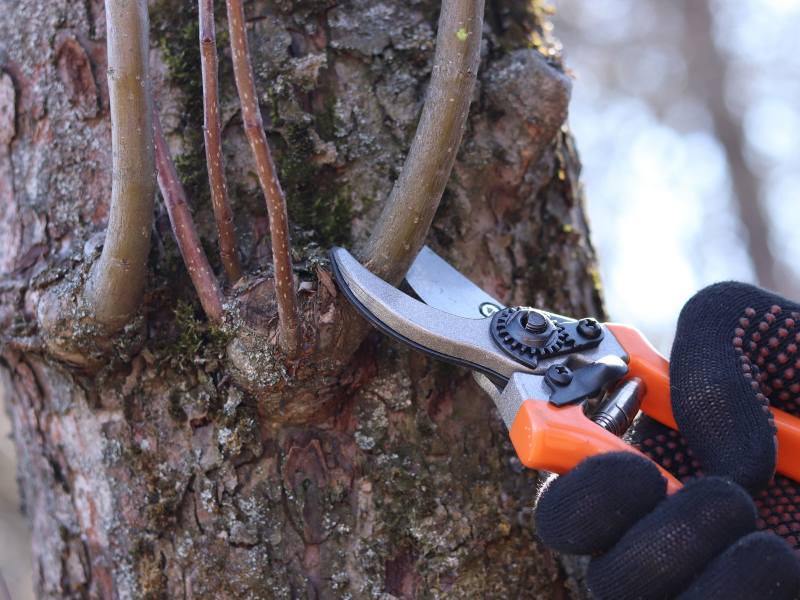
There's one exception to this timing advice. Removing dead branches, diseased branches, or damaged branches, or generally removing branches that pose a safety risk, can be done at any time of year. Whatever the season, remove dead or damaged wood as soon as you notice it, rather than waiting for your next scheduled pruning visit. Regular pruning helps remove dead, diseased, or storm-affected limbs, reducing the risk of larger branches or lower branches failing during the storms and high winds the UK sees through autumn and winter, and a tree checked regularly copes far better during severe conditions. Trees that get this routine attention need far less drastic pruning later in life.
The UK's main nesting season runs from March to August. Under the Wildlife and Countryside Act 1981, it's an offence to intentionally damage or destroy an active nest, so any tree work in these months needs a careful check first. If your tree sits within a conservation area or carries a Tree Preservation Order, you'll also need council permission before any significant work, regardless of season.
Great Britain is home to around 25.8 million gardens, containing an estimated 50.5 million trees, together thought to store roughly 158 million tonnes of carbon. Get pruning wrong on a large scale, and you weaken trees that are quietly supporting the overall health of the local environment. Around 34 million UK adults garden regularly, and around 1.8 million more people have planted trees than removed them over the past three years. Healthy trees in towns and cities reduce air pollution, lower summer temperatures, and provide wildlife habitat, alongside improving a property's kerb appeal. From street trees lining a road to garden trees and orchard trees at home, the same principles of pruning apply everywhere trees grow.
How often a tree needs pruning depends heavily on the tree type. Most established trees only need attention every three to five years, while younger trees benefit from lighter, more frequent pruning to guide future growth in the right direction. Fruit trees are the exception, since many need a light pruning every year to stay productive.
Regular pruning improves airflow through the canopy, helps a tree direct energy toward future growth rather than dead wood, and helps reduce stress on an older tree. A late spring flush of new growth is often the clearest sign that winter pruning worked, and by autumn, most trees will have settled back into shape, ready for the next round of pruning. Pruning is selective, ongoing maintenance, different from pollarding, a harder, more specialised technique, and different again from topping, generally considered poor practice. If you're after further advice on when to prune trees, UK professional bodies are consistent in avoiding topping for this reason, and this kind of tree pruning doesn't need to be complicated if it happens at the right time of year.
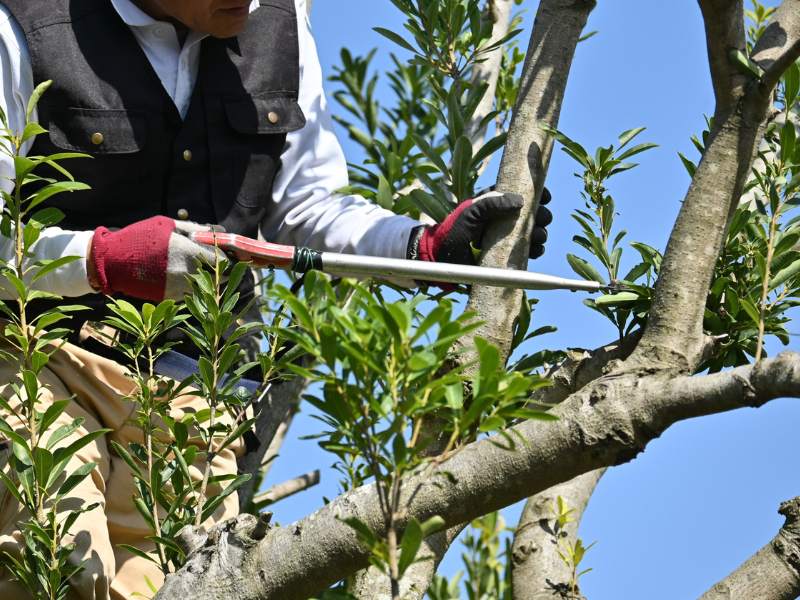
Getting these basics right affects how well a tree recovers from any pruning cuts. A clean final cut heals properly within a season or two, and the desired outcome is always a calloused wound rather than one that stays open. A rushed cut can leave an entry point for wound-related pathogens, increasing the chances of disease transmission between neighbouring trees if tools aren't cleaned properly. Understanding tree topping vs pruning also plays an important role in long-term tree health, as proper pruning supports healthy growth while topping can weaken the tree and lead to decay. Good pruning technique, combined with good timing, keeps trees healthy for decades.
A straightforward prune of a small to medium garden tree tends to cost between £150 and £400. Larger trees, or ones needing climbing gear or work near buildings and power lines, typically run from £400 up to £1,200 or more, with London and the South East toward the higher end. Prices for tree pruning also tend to be lower in the quieter late autumn and winter months.
This is a rough guide only, and the actual cost varies depending on your specific tree and site. The best way to get an accurate figure is to have a certified arborist assess the tree and give you a written quote.

Small, low branches on a young tree are usually manageable by yourself with the right tools. Anything involving climbing, a chainsaw, or removing branches near a building is different: proper techniques matter here as much as timing, and a trained professional from a tree services company knows how a tree will respond to a cut.
At GRO Treecare, we get asked when the best time to prune trees is more than almost any other question, which is why we've laid it out here. Well-timed tree pruning protects a tree's long-term health and often costs far less than dealing with a fallen branch or failed tree later on. Prune trees regularly, and small jobs stay small, whatever your tree species. Good tree pruning, done at the right time of year, is one of the best investments you can make in a garden full of trees.
To recap: most deciduous trees want pruning while they're resting for winter, stone fruit trees want pruning in summer, and evergreen trees want pruning in late spring. Dead or damaged branches can come off any time, and checking for active nests matters whenever you're pruning between March and August. Get the timing right, and pruning stays small and manageable. Get it wrong and even healthy trees can end up stressed, diseased, or scarred by cuts that take far longer to close over. That's why timing matters as much as technique whenever you prune trees.